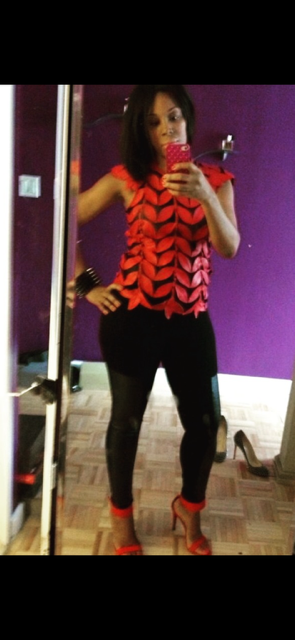
When people ask where my love for fashion began, they usually assume it started with designer handbags, runway shows, or styling outfits. While I’ve always loved fashion, my first real introduction to the industry happened behind the scenes—and it came through a freelance opportunity.
Long before I started sharing outfit photos or sharing style inspiration online, I accepted a freelance assignment as a Sample Coordinator at a fashion showroom on 34th Street in New York City. Looking back, I had no idea that one opportunity would introduce me to the business side of fashion and completely change how I viewed the industry.
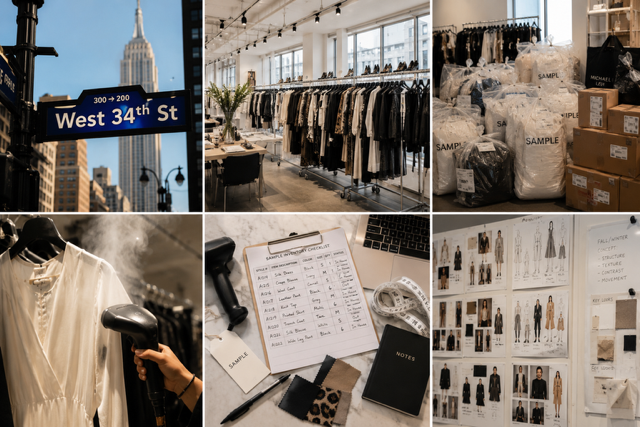
👠 A Day in My Life as a Sample Coordinator
While every day looked a little different, my role as a Sample Coordinator centered around keeping the fashion sample process organized from the moment garments arrived until they were ready for photoshoots, PR requests, merchant reviews, and Fashion Week events. Here’s what a typical day looked like.
But First… Coffee ☕🌸
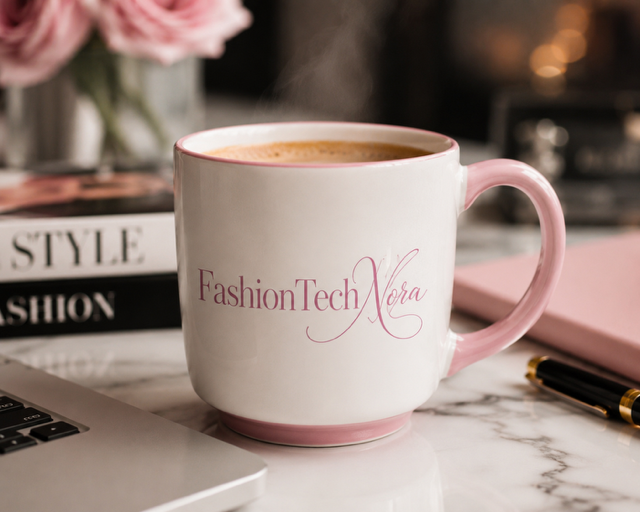
Before the sample deliveries begin arriving, emails start filling my inbox, and the day shifts into full creative mode, I always make time for one simple ritual—coffee.
I loved and still love my coffee light and sweet, just the way it looks in my favorite coffee mug. There’s something comforting about slowing down for a few quiet moments before the pace of the day picks up. It’s my chance to gather my thoughts, review what’s ahead, and enjoy a peaceful start before the first sample boxes begin arriving.
In fashion, no two days are exactly alike. Some mornings begin with deliveries at the door, while others start with organizing samples for upcoming photoshoots or preparing products for the merchandising team. But before any of that happens… it’s always but first, coffee. ☕🌸
Samples Arrival
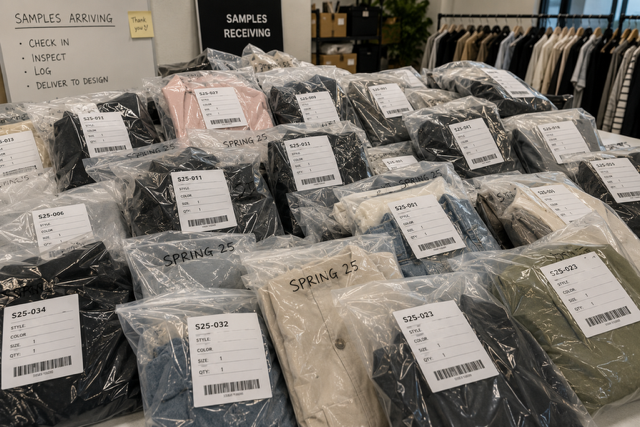
One of the first things I looked forward to each morning was seeing what sample deliveries had arrived. At times, the volume of incoming samples felt overwhelming. Most samples came in large boxes and were carefully unpacked before being processed. From there, my morning was spent organizing and categorizing every item to make sure everything was easy to locate for the merchandising team, buyers, and upcoming photoshoots.
Keeping the back of the showroom clean and organized was just as important as processing the samples themselves. Every garment had to be placed in the correct location so it could be found quickly when needed. I also used a handheld scanner to scan each sample into the system, allowing every product and identification number to be tracked throughout the showroom. Accuracy mattered because each sample represented a specific style, size, and color that needed to be accounted for.
Working with fashion samples taught me the importance of being organized, detail-oriented, and staying one step ahead. A well-organized showroom kept the entire team moving efficiently and ensured every sample was ready when it was time for merchandising meetings, product reviews, or photoshoots.
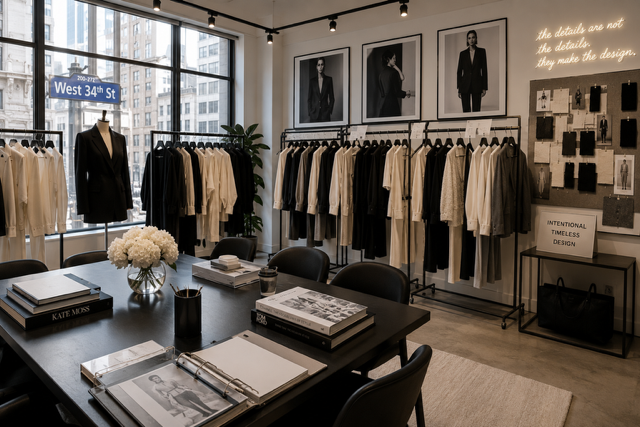
After spending the morning unpacking, organizing, and processing incoming samples, the showroom was transformed into a space where buyers, merchandising teams, and clients could easily review each collection. While the front of the showroom always looked polished and beautifully merchandised, a great deal of work happened behind the scenes to keep it that way.
The back of the showroom, where new samples were received, scanned, and organized, required just as much attention as the showroom floor. Every garment needed to be stored in the correct location so it could be found quickly for merchandising meetings, client appointments, product reviews, and upcoming photoshoots. A well-organized showroom wasn’t just about presentation—it depended on a well-organized backroom where every sample was carefully tracked and accounted for.
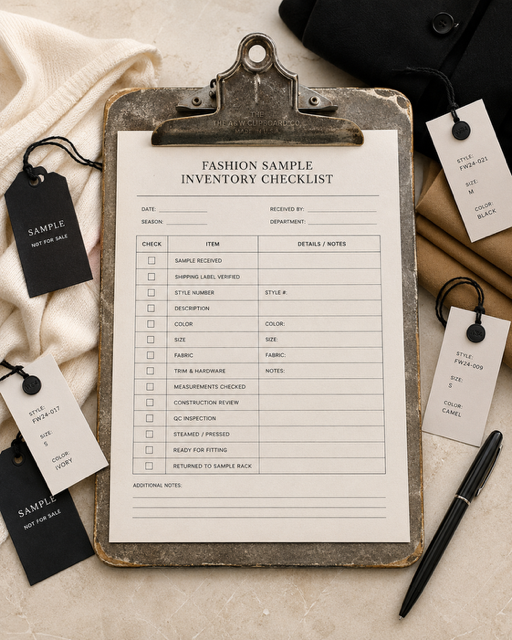
Inventory Checklist
Once I finished organizing the incoming samples, my next step was verifying my inventory. I carefully compared my checklist against the samples that had arrived, making sure every style, size, color, and identification number matched what was listed on the shipment. If something was missing, incomplete, or didn’t match the inventory list, I documented it immediately.
As a Sample Coordinator, it was important to catch these issues as early as possible—not on the day of a photoshoot, merchandising review, or buyer presentation. Identifying missing samples or incorrect shipments ahead of time gave the team an opportunity to request replacements, locate missing garments, or resolve any discrepancies before they affected the production schedule.
This process reinforced one lesson I still carry with me today: checklists and organization are your best friends. Taking the time to verify every detail helped keep projects on track, reduced last-minute surprises, and ensured the showroom was fully prepared for the next stage of the fashion process.
What a morning!
After Lunch & My Second Cup of Coffee ☕🌸
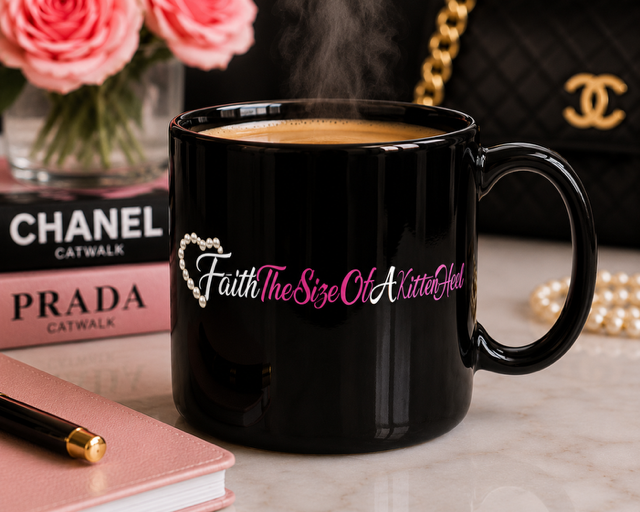
After lunch and my second cup of coffee, it was time to head back to the showroom and prepare the next round of samples. By this point, the deliveries had been unpacked, organized, scanned into inventory, and verified against my checklist. Now my focus then shifted to making sure every garment looked its best before it was presented.
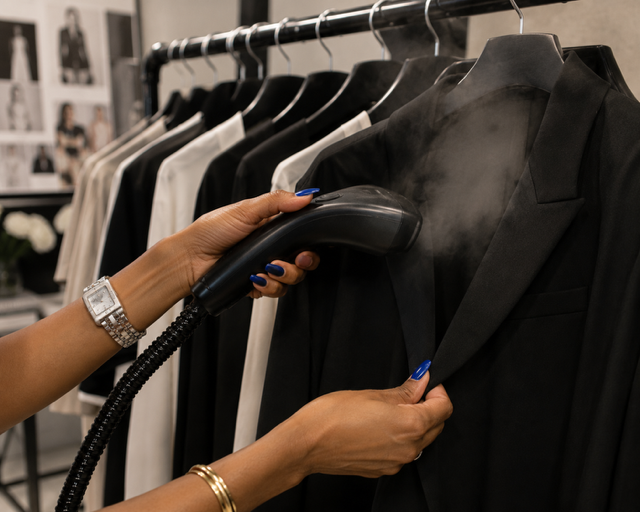
Steaming clothing became one of the most important parts of my afternoon. Depending on the number of samples that arrived, this process could easily take one to two hours. Every wrinkle had to be removed so each garment was presentation-ready for buyers, merchandising meetings, product reviews, and upcoming photoshoots. Attention to detail mattered because the way a sample looked on the rack or in front of the camera reflected the quality and professionalism of the showroom.
Merchandising Story Boards & Showroom Organization ⭐
As the showroom became fully organized, I was often asked to help maintain the merchandising story boards and design inspiration displays. Since I worked so closely with the samples each day, I became familiar with the fabrics, textures, colors, trims, and seasonal collections that were moving through the showroom.
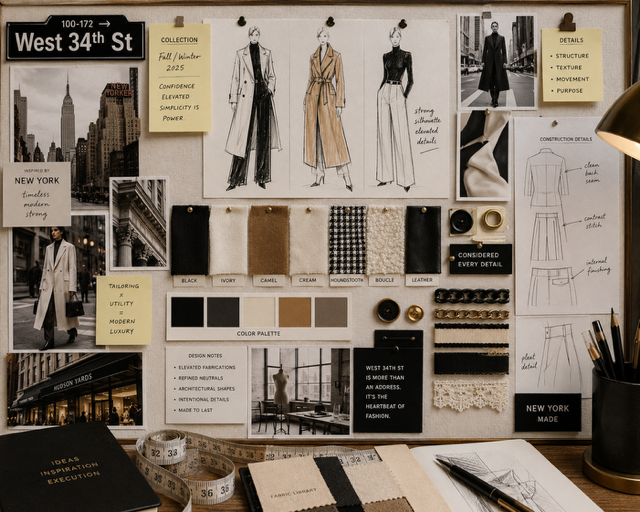
⭐ Mood Boards
Part of my role included making sure fabric swatches, color palettes, garment sketches, and inspiration materials remained organized and reflected the latest sample collections. As new garments arrived or existing samples were updated, the merchandising boards also needed to stay current so buyers, designers, and merchandising teams could quickly reference the collection during meetings and presentations.
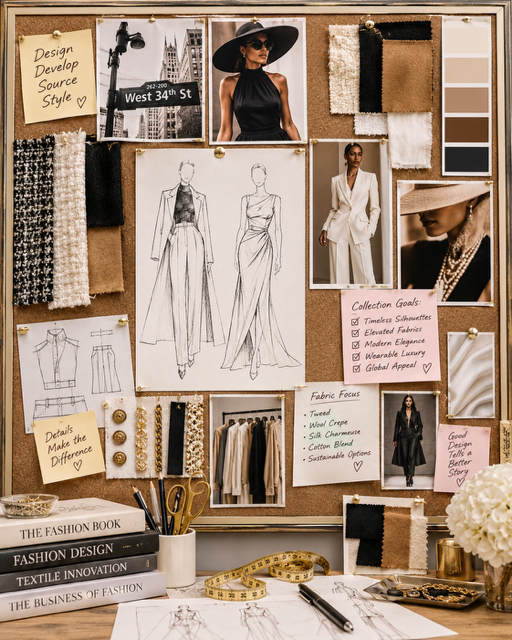
Working with the samples every day gave me a unique understanding of the collection as it evolved. Supporting the merchandising team wasn’t just about organizing clothing—it was also about helping maintain the visual story behind the collection. Every fabric swatch, texture, color palette, and inspiration board helped communicate the vision before the garments ever reached the sales floor or appeared in a photoshoot.
🌸 Looking Back… and Looking Ahead
Looking back, I never imagined that my first fashion job would teach me so much about organization, attention to detail, teamwork, and the behind-the-scenes work that keeps the fashion industry moving. Every day brought something different. Some mornings felt overwhelming as new sample boxes continued arriving, while other days I found myself excited to see the newest collections before anyone else.
I’d love to see how the Sample Coordinator role has evolved in 2026. While many parts of the fashion industry have become more digital, one thing probably hasn’t changed—physical samples still need to be received, organized, tracked, steamed, prepared, and moved through the showroom. That’s one of the reasons many fashion companies still ask Sample Coordinators to work onsite, even if other members of the team have hybrid schedules.
Keeping an accurate digital inventory, staying organized, and communicating with buyers, designers, merchandising teams, and e-commerce partners are just as important today as they were when I first started. Fashion may move quickly, but the details still matter.
That was a typical day in my life as a Sample Coordinator—from my first cup of coffee, unpacking deliveries, organizing inventory, updating merchandising boards, steaming garments, and helping prepare samples for meetings and photoshoots. Some days I left feeling completely overwhelmed, while other days I couldn’t wait to see the newest products arrive. Looking back now, I realize this role gave me the foundation for every fashion, marketing, e-commerce and creative operations position that followed, and I’m grateful it all started here. 🌸👠👜
XOXO
Nora